野生の恵みと日本の発酵技術の融合
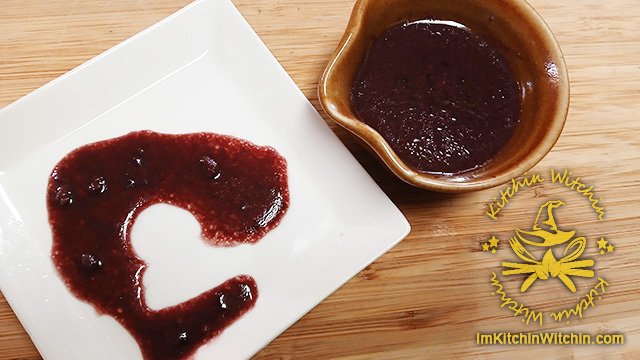
野生の食材を食卓を彩る美味しい料理へと変身させることには、格別の喜びがあります。このワイルドフルーツビネガー味噌ドレッシングは、野生のブドウと桑の実の爽やかな酸味とフルーティーな風味に、自家製白味噌の濃厚な旨味を融合させた逸品です。
その結果、爽やかな酸味、ほのかな甘み、そして旨味が絶妙に調和した、驚くほど万能なドレッシングが誕生しました。
野生の果実から自家製ビネガーへ
この旅は、アメリカ中西部北部でよく見られる2種類の野生の果実、野生のブドウと桑の実から始まります。
収穫後に残る皮や果肉、その他の果実の切れ端は、そのまま捨ててしまうのではなく、発酵させることで新たな命を吹き込むことができます。
果実の切れ端を使ったビネガー作りの技術を用いて、野生のブドウと桑の実の切れ端を自家製ビネガーへと生まれ変わらせ、それぞれの果実特有のフルーティーな風味と酸味を閉じ込めました。
この工夫を凝らしたアプローチは、自然の恵みを最大限に活用し、無駄を最小限に抑えるという、古くから伝わる原則を体現しています。
自家製フルーツスクラップビネガー作りに興味のある方のために、今回はForager Chefのフルーツスクラップビネガーレシピを参考にしました。
ちょっとした日本の味噌の魔法
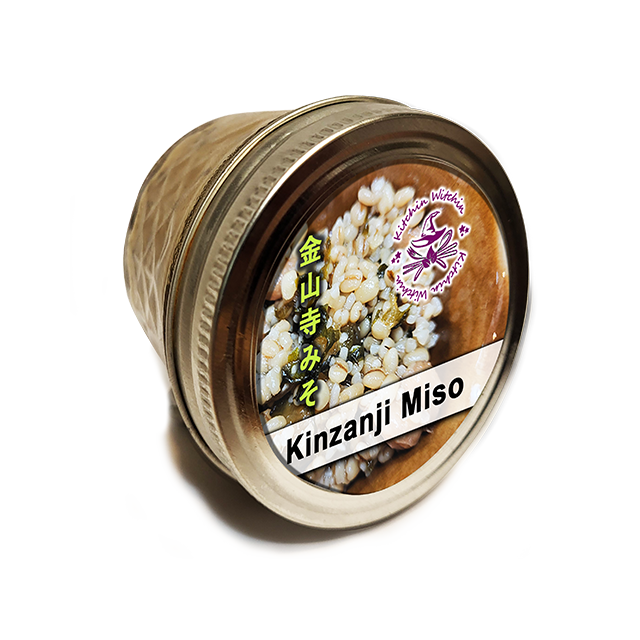
このドレッシングの秘密は、自家製白味噌です。
大豆、麹、塩から作られる日本の伝統的な発酵調味料である味噌は、フルーツビネガーの爽やかな酸味を美しく引き立てる、奥深い旨味をもたらします。
ほんのりとした蜂蜜が酸味をまろやかにし、クセのない油が全体をまとめ上げ、滑らかで風味豊かなドレッシングに仕上げます。
ワイルドフルーツビネガー味噌ドレッシングのレシピ
材料
ワイルドグレープビネガーとマルベリービネガーを合わせたもの 大さじ2
白味噌 大さじ1
はちみつ 大さじ1
クセのない油 大さじ2
水 大さじ1~2(濃度調整用)
作り方
小さなボウルに白味噌、ワイルドフルーツビネガー、はちみつを入れ、滑らかになるまで泡立て器で混ぜ合わせます。
クセのない油を少しずつ加えながら、よく混ぜ合わせます。
お好みの濃度になるまで、水を大さじ1~2ずつ少しずつ加えながら混ぜます。
味見をして、お好みに合わせて調整してください。甘みを加えたい場合ははちみつを、酸味を加えたい場合はビネガーを少し足してください。
これで完成!風味豊かな、シンプルな自家製ドレッシングです。
おすすめの食べ方
このドレッシングは驚くほど汎用性が高く、特に和風料理との相性が抜群です。
焼きかぼちゃ:その自然な甘みが、ドレッシングの爽やかな酸味と旨味を引き立てます。
焼きナス:温かいナスにドレッシングをかけると、風味のコントラストが楽しめます。
豆腐:冷やした豆腐、または軽く焼いた豆腐にドレッシングをかけると、手軽な付け合わせになります。
蒸し野菜:ブロッコリー、葉物野菜、旬の野菜にドレッシングをかけると、風味がぐっと引き立ちます。
フレッシュサラダ:ミックスグリーン、キュウリ、千切り野菜などに和えれば、爽やかなドレッシングの出来上がりです。
伝統に根ざし、こだわりを持って作られた
このドレッシングの特別な点は、単に味だけではありません。それは、野生の食材の採取と日本の発酵という、二つの食文化の融合にあります。
野生のブドウと桑の実が、その土地ならではの風味をもたらし、自家製味噌が、伝統的な日本料理の奥深さと個性を添えます。
これらが一体となって、シンプルで使いやすく、そして美味しいドレッシングが生まれます。
経験豊富な採集家の方も、発酵食品愛好家の方も、あるいは単にキッチンで実験を楽しむ方も、このレシピは素晴らしい風味がしばしば素朴な食材から生まれることを改めて教えてくれます。
野生の恵みから食卓へ ― 一口ごとに、至福の味わいを!
食品安全に関する注意:適切に発酵させた、食品安全基準を満たした酢を使用してください。自家製の果物の皮を使った酢は酸度がばらつく場合があるため、酸度が確実に確認されていない限り、家庭での保存食作りには使用しないでください。
Wild-Harvested Flavors Meet Japanese Fermentation
There's something especially rewarding about transforming wild-harvested ingredients into something delicious for the table. Our Wild Fruit Vinegar-Miso Dressing brings together the tart, fruity character of wild grapes and mulberries with the rich umami of homemade Japanese white miso.
The result? A beautifully balanced dressing that's tangy, subtly sweet, savory, and wonderfully versatile!
From Wild Fruit to Homemade Vinegar
The journey begins with two familiar wild fruits of the Upper Midwest: wild grapes and mulberries.
Rather than discarding the leftover skins, pulp, and other usable fruit scraps after processing the harvest, they can be given a second life through fermentation.
Using a fruit-scrap vinegar-making technique, we transformed our wild grape and mulberry scraps into homemade vinegars, capturing some of their distinctive fruity character and acidity.
This resourceful approach celebrates an age-old principle: making the most of what nature provides while minimizing waste.
For those interested in making their own fruit-scrap vinegar, we followed a method inspired by Forager Chef's Fruit Scrap Vinegar Recipe.
A Little Japanese Miso Magic
The secret to this dressing is homemade white miso (shiro miso).
Miso, a traditional Japanese fermented seasoning made from soybeans, koji, and salt, contributes a savory depth that beautifully complements the bright acidity of fruit vinegar.
A touch of honey rounds out the tartness, while neutral oil brings everything together into a smooth, flavorful dressing.
Wild Fruit Vinegar-Miso Dressing Recipe
Ingredients
2 tablespoons combined wild grape and mulberry vinegars
1 tablespoon white miso
1 tablespoon honey
2 tablespoons neutral oil
1–2 tablespoons water, to thin
Directions
In a small bowl, whisk together the white miso, wild fruit vinegars, and honey until smooth.
Slowly whisk in the neutral oil until well combined.
Add 1–2 tablespoons of water, a little at a time, until the dressing reaches your preferred consistency.
Taste and adjust to your liking. For additional sweetness, add a little honey; for extra tang, a splash more vinegar.
That's it! A simple homemade dressing packed with layers of flavor.
Delicious Ways to Enjoy It
This dressing is surprisingly versatile, especially when paired with Japanese-inspired dishes.
Roasted Kabocha: Its natural sweetness complements the dressing's tangy, savory notes.
Grilled Japanese Eggplant (Nasu): Drizzle over warm eggplant for a delicious contrast of flavors.
Tofu: Spoon over chilled or lightly grilled tofu for a quick side dish.
Steamed Vegetables: Add a burst of flavor to broccoli, greens, or seasonal vegetables.
Fresh Salads: Toss with mixed greens, cucumbers, or shredded vegetables for a refreshing dressing.
Rooted in Tradition, Crafted with Purpose
What makes this dressing special isn't simply its flavor. It's the meeting of two culinary traditions: wild food harvesting and Japanese fermentation.
Wild grapes and mulberries offer flavors unique to the landscape, while homemade miso brings the depth and character of traditional Japanese food preparation.
Together, they create something simple, practical, and delicious.
Whether you're an experienced forager, a fermentation enthusiast, or simply someone who enjoys experimenting in the kitchen, this recipe is a wonderful reminder that great flavors often begin with humble ingredients.
From the wild harvest to your table—one delicious spoonful at a time!
Food safety note: Use properly fermented, food-safe vinegar. Homemade fruit-scrap vinegar can vary in acidity and should not be used for home canning unless its acidity has been reliably verified.