Loading star animation

Loading/ローディング...

ようこそ!

Welcome!

ログイン Login
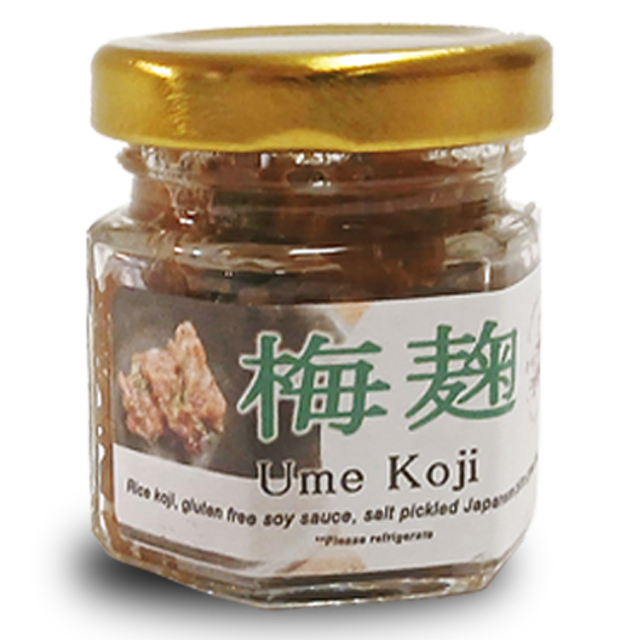
new Product! Ume Koji  梅麹

Ume Koji 

梅麹

$10.00
Tap/hover for details タップ・ホバーで詳細表示
Online ordering is currently available to Minnesota customers only.
bestseller Product! Broth Koji コンソメ麹

Broth Koji

コンソメ麹

$10.00
Tap/hover for details タップ・ホバーで詳細表示
Online ordering is currently available to Minnesota customers only.
bestseller Product! Green Koji  中華麴

Green Koji

中華麴

$10.00
Tap/hover for details タップ・ホバーで詳細表示
Online ordering is currently available to Minnesota customers only.
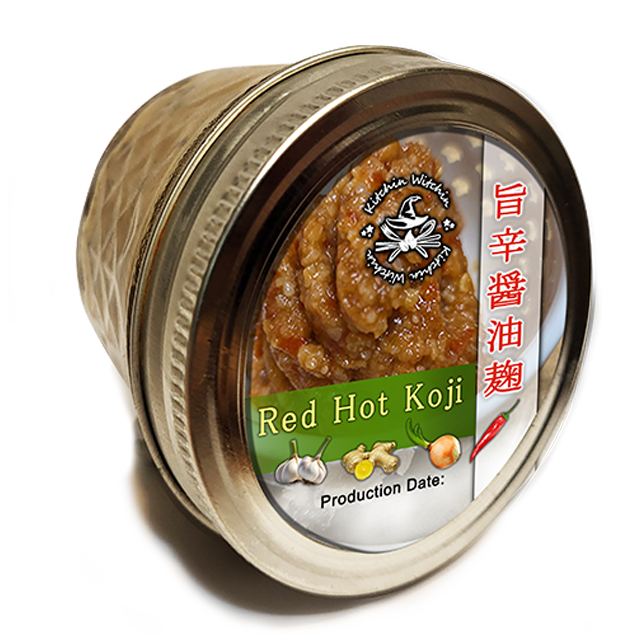
bestseller Product! Red Hot Koji 旨辛醤油麹

Red Hot Koji

旨辛醤油麹 

$10.00
Tap/hover for details タップ・ホバーで詳細表示
Online ordering is currently available to Minnesota customers only.

Koji Products

麹

What Is Koji?

Koji (麹) is one of the key ingredients behind many traditional Japanese fermented foods. It is made by growing a beneficial mold called Aspergillus oryzae on steamed rice, barley, or soybeans. As the koji grows, it produces powerful natural enzymes that break down starches into sugars and proteins into amino acids. This process creates sweetness, develops rich umami flavor, and makes nutrients easier for other microorganisms to use during fermentation.

What is Koji image
Download the PDF >>

Koji has been used in Japanese food making for more than a thousand years and plays an important role in producing miso, soy sauce, sake, mirin, amazake, shio-koji, and other fermented foods and seasonings. Different types of koji can be made depending on the grain or bean used and the food being produced.

Koji can also be used directly in cooking. Shio-koji, made by fermenting koji with salt and water, is used as a seasoning and marinade. Its enzymes help break down proteins, which can tenderize meat and fish while adding savory umami flavor. Koji can also bring out natural sweetness in vegetables, grains, sauces, and other foods.

An image of koji in a spoon Although koji itself is not usually eaten in large amounts, foods made with it can provide amino acids and other compounds created through fermentation. Koji fermentation can also make certain nutrients and flavors more available. However, the health qualities of the finished food depend on how it is made; not every koji product contains live microorganisms.

Koji is sometimes described as a “fermentation factory.” Its enzymes transform simple ingredients into foods with deeper flavor, sweetness, aroma, and complexity. Without koji, many of the foods and flavors strongly associated with traditional Japanese cooking simply would not exist.
Ama Koji 甘麹

Ama Koji

甘麹

$10.00
Tap/hover for details タップ・ホバーで詳細表示
Online ordering is currently available to Minnesota customers only.
Garlic Koji ニンニク麹

Garlic Koji

ニンニク麹

$10.00
Tap/hover for details タップ・ホバーで詳細表示
Online ordering is currently available to Minnesota customers only.
Mushroom Koji キノコ麹

Mushroom Koji

キノコ麹

$10.00
Tap/hover for details タップ・ホバーで詳細表示
Online ordering is currently available to Minnesota customers only.
Onion Koji 玉ねぎ麹

Onion Koji

玉ねぎ麹

$10.00
Tap/hover for details タップ・ホバーで詳細表示
Online ordering is currently available to Minnesota customers only.
Sansho Zuke 三升漬

Sansho Zuke

三升漬

$10.00
Tap/hover for details タップ・ホバーで詳細表示
Online ordering is currently available to Minnesota customers only.

Miso Products

味噌

What Is Miso?

Miso (味噌) is a traditional Japanese fermented food usually made from soybeans, koji (麹), salt, and sometimes rice or barley. During fermentation, koji produces natural enzymes that break down the beans, proteins, and starches. Over time, this creates miso's distinctive salty, slightly sweet, and deeply savory umami flavor.

What is miso image
Download the PDF >>

Miso comes in many varieties. White miso (shiro miso) is usually mild and slightly sweet, while red miso (aka miso) is generally aged longer and has a stronger, deeper flavor. Other varieties are made with different grains, ingredients, and fermentation times.

Miso is best known for miso soup, but it is also used in marinades, sauces, salad dressings, glazes, dips, noodle dishes, vegetables, and even some desserts. A small amount can add a lot of flavor.

Nutritionally, miso provides protein, amino acids, vitamins, minerals, and beneficial compounds produced during fermentation. Traditionally fermented, unpasteurized miso may also contain live microorganisms that can contribute to a healthy gut. Research has explored fermented soy foods for possible digestive and cardiovascular benefits, although miso should not be considered a medicine. Because it is usually high in sodium, it is best enjoyed in reasonable amounts as part of a balanced diet.

Miso has been an important part of Japanese cooking and food culture for centuries, valued both as a preserved food and as a versatile source of rich umami flavor.
Nanban Miso 南蛮味噌

Nanban Miso

南蛮味噌

$15.00
Tap/hover for details タップ・ホバーで詳細表示
Online ordering is currently available to Minnesota customers only.
Kinzanji Miso 金山寺みそ

Kinzanji Miso

金山寺みそ

$10.00
Tap/hover for details タップ・ホバーで詳細表示
Out of stock在庫切れ
Yuzu miso ゆず味噌

Yuzu miso

ゆず味噌

$15.00
Tap/hover for details タップ・ホバーで詳細表示
Out of stock在庫切れ

Chili Products

チリ製品

Chili Crisp 食 べ る ラ ー 油

Chili Crisp

食 べ る ラ ー 油

$10.00
Tap/hover for details タップ・ホバーで詳細表示
Online ordering is currently available to Minnesota customers only.
Garlic Chili Oil 緑のラー油

Garlic Chili Oil

緑のラー油

$10.00
Tap/hover for details タップ・ホバーで詳細表示
Online ordering is currently available to Minnesota customers only.
Koregusu コーレーグス

Koregusu

コーレーグス

$15.00
Tap/hover for details タップ・ホバーで詳細表示
Online ordering is currently available to Minnesota customers only.
Shiso Chili Paste しそ胡椒

Shiso Chili Paste

しそ胡椒

$10.00
Tap/hover for details タップ・ホバーで詳細表示
Online ordering is currently available to Minnesota customers only.
Yuzu Chili Set 柚子唐辛子セット

Yuzu Chili Set

柚子唐辛子セット

$20.00
Tap/hover for details タップ・ホバーで詳細表示
Online ordering is currently available to Minnesota customers only.
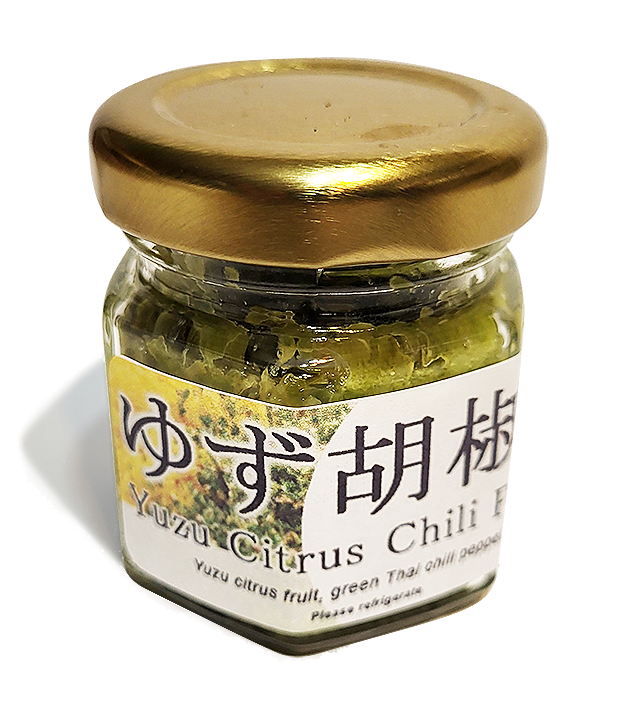
Yuzu Kosho 柚子胡椒

Yuzu Kosho

柚子胡椒

$15.00
Tap/hover for details タップ・ホバーで詳細表示
Online ordering is currently available to Minnesota customers only.
Yellow Yuzu Kosho 黄柚子胡椒

Yellow Yuzu Kosho

黄柚子胡椒

$15.00
Tap/hover for details タップ・ホバーで詳細表示
Out of season 季節外れ

Shichimis

七味

What Is Japanese Shichimi?

Shichimi Togarashi (七味唐辛子), often simply called shichimi, is a traditional Japanese seasoning made from a blend of seven spices. Its name literally means “seven-flavor chili pepper.” Unlike a simple chili powder, shichimi combines heat with citrus, herbs, seeds, and other aromatic flavors.

An image of shichimi spice Recipes vary, but common ingredients include red chili pepper, sansho (Japanese pepper), sesame seeds, dried citrus peel, ginger, nori or aonori seaweed, and hemp or poppy seeds. Different regions and producers have their own blends, so one shichimi may taste citrusy and fragrant while another may be hotter or more strongly flavored with sansho.

Shichimi is commonly sprinkled over udon and soba noodles, soups, rice dishes, grilled meats, yakitori, vegetables, and hot-pot dishes. Because it is normally added just before eating, its aroma and heat remain bright and noticeable.

Many of its ingredients naturally contain antioxidants, aromatic plant compounds, minerals, and healthy fats, although shichimi is normally eaten in small amounts and should be considered primarily a seasoning rather than a source of major nutritional benefits.

Shichimi is more than simply “Japanese chili powder.” Its combination of heat, citrus, nuttiness, aroma, and umami is designed to enhance food without overwhelming its original flavor.
Shichimi (spicy) 中辛七味

Shichimi (spicy)

中辛七味

$5.00
Tap/hover for details タップ・ホバーで詳細表示
Online ordering is currently available to Minnesota customers only.
Shichimi (very spicy) 大辛七味

Shichimi (very spicy)

大辛七味

$5.00
Tap/hover for details タップ・ホバーで詳細表示
Online ordering is currently available to Minnesota customers only.
Yuzu Citrus Shichimi 柚子七味

Yuzu Citrus Shichimi

柚子七味

$10.00
Tap/hover for details タップ・ホバーで詳細表示
Online ordering is currently available to Minnesota customers only.
Shichimi Combo 七味セット

Shichimi Combo

七味セット

$20.00
Tap/hover for details タップ・ホバーで詳細表示
Out of stock在庫切れ

Furikake

ふりかけ

What Is Furikake?

Furikake (ふりかけ) is a Japanese dry seasoning traditionally sprinkled over cooked rice. The name comes from a Japanese word meaning “to sprinkle,” which describes exactly how it is used. Furikake is usually a mixture of several flavorful ingredients rather than a single spice.

An image of a few kinds of furikake on rice Traditional furikake may contain sesame seeds, dried seaweed such as nori, dried fish, salt, sugar, shiso, bonito flakes, or other seasonings. Today, there are countless varieties, ranging from simple sesame-and-seaweed blends to spicy, savory, seafood, vegetable, and regional flavors.

Although furikake is closely associated with rice, it is extremely versatile. It can be sprinkled over noodles, eggs, vegetables, fish, popcorn, potatoes, salads, and other foods. It can also be mixed into rice for onigiri (rice balls) or used as a finishing seasoning.

The nutritional value of furikake depends greatly on its ingredients. Varieties containing sesame seeds, seaweed, fish, or vegetables may provide small amounts of minerals, healthy fats, protein, and other nutrients. However, many furikake blends contain significant amounts of salt, so they are generally used in small quantities.

Think of furikake as a Japanese “finishing seasoning”—a simple sprinkle can add color, texture, aroma, and layers of umami flavor to an otherwise simple dish.
Teriyaki Furikake 照り焼きふりかけ

Teriyaki Furikake

照り焼きふりかけ

$5.00
Tap/hover for details タップ・ホバーで詳細表示
Online ordering is currently available to Minnesota customers only.
Yukari (Red Shiso Furikake) ゆかり

Yukari (Red Shiso Furikake)

ゆかり

$5.00
Tap/hover for details タップ・ホバーで詳細表示
Online ordering is currently available to Minnesota customers only.

Ume Products

梅製品

What is Japanese Ume?

Ume (梅) is a fruit that has been important in Japanese food culture for centuries. It is commonly called a “Japanese plum,” although botanically it is more closely related to the apricot. Fresh ume are small, round fruits that usually range from green to yellow as they ripen and have a distinctive fruity aroma and intensely tart flavor.

An image of ume, Japanese plums Unlike ordinary Western plums, ume are traditionally processed rather than eaten raw. They can be salted, fermented, dried, sweetened, steeped, or preserved to create a wide variety of Japanese foods and beverages.

Perhaps the best-known ume product is umeboshi (梅干し)—salted and preserved ume with an intensely sour, salty flavor. Ume are also used to make ume syrup, ume vinegar (umesu), jams, sauces, candies, seasonings, and umeshu, a sweet alcoholic beverage traditionally made by steeping ume in alcohol and sugar. Ume also pairs especially well with shiso, which is often used when making traditional red-colored umeboshi.

Ume contains organic acids and various plant compounds, and ume products have long been valued in Japanese food culture, particularly for their strong flavor and ability to stimulate the appetite. Their nutritional qualities vary considerably depending on how they are prepared; salted products such as umeboshi can contain substantial sodium, while syrups may contain considerable sugar.

Ume's unusual combination of tartness, fruitiness, saltiness, sweetness, and aroma makes it one of Japan's most distinctive ingredients.
Japanese Plum Miso  梅味噌

Japanese Plum (Ume) Miso

梅味噌

$15.00
Tap/hover for details タップ・ホバーで詳細表示
Out of season 季節外れ
Ume Flight 梅セット

Ume Flight

梅セット

$35.00
Tap/hover for details タップ・ホバーで詳細表示
Out of stock在庫切れ
Ume Syrup - Aged 3 & 7 Years 梅シロップ — 3年熟成・7年熟成

Ume Syrup - Aged 3 & 7 Years

梅シロップ — 3年熟成・7年熟成

$20.00
Tap/hover for details タップ・ホバーで詳細表示
Out of stock在庫切れ

Sake Lees Products

酒粕

What is Sake Lees?

Sake lees (酒粕, sake kasu) are the soft solids left behind after Japanese sake is brewed and pressed. During sake making, steamed rice is fermented with koji (麹), yeast, and water. Once fermentation is complete, the mixture is pressed to separate the liquid sake from the remaining rice solids. Those solids are called sake kasu.

What is Sake Lees image
Download the PDF >>

Rather than being treated as waste, sake lees have long been used as an ingredient in Japanese cooking, fermentation, and food preservation. They have a distinctive flavor that can be mildly sweet, savory, fruity, and fermented, with some of the aroma of sake. Fresh sake kasu may also contain a small amount of residual alcohol.

Sake lees are used in soups, marinades, sauces, pickles, hot pots, baked goods, sweets, and beverages. One traditional dish is kasujiru (粕汁), a warming soup made with sake lees, vegetables, and often fish or meat. Sake kasu can also be mixed with seasonings to create a marinade or pickling bed called kasu-zuke (粕漬け). Its enzymes and fermented compounds can help tenderize foods while adding rich umami and aroma.

An image of sake lees on a plate Nutritionally, sake lees contain protein, amino acids, fiber, vitamins, minerals, and compounds produced during fermentation. Researchers have studied sake kasu and its fermentation products for possible effects on digestion, metabolism, and other aspects of health, but it should be viewed primarily as a nutritious food ingredient rather than a medicine.

Sake lees are a good example of the Japanese tradition of using the entire food-making process. What remains after brewing sake becomes a flavorful ingredient of its own, adding umami, sweetness, depth, and fermented character to many dishes.
Wasabi Zuke 山わさび漬

Wasabi Zuke

山わさび漬

$15.00
Tap/hover for details タップ・ホバーで詳細表示
Online ordering is currently available to Minnesota customers only.
Narazuke 奈良漬

Narazuke

奈良漬

$15.00
Tap/hover for details タップ・ホバーで詳細表示
Out of stock在庫切れ

Flavorings

調味料

Yuzu Ponzu 柚子ポン酢

Yuzu Ponzu

柚子ポン酢

$15.00
Tap/hover for details タップ・ホバーで詳細表示
Out of stock在庫切れ