Terms of Service
Effective September 2, 2026
By placing an order through this website, you acknowledge and agree to the following terms.
Cottage Food Notice
These products are homemade and not subject to state inspection.
Products offered through this website are produced and sold in accordance with applicable Minnesota Cottage Food Law requirements.
Order Pickup
Orders are currently available for
in-person pickup only.
You may pick up your order at our next scheduled event or arrange a mutually agreed-upon pickup time and location.
Pickup Location:
1769 Lexingington Ave. N, Roseville, MN 55113
Pickup is generally available on the
first Sunday following your order, unless other arrangements have been made.
Please contact us in advance to confirm your pickup time and place.
Email: orders@imkitchinwitchin.com
Shipping and Delivery
We do not currently ship human cottage food products or provide third-party delivery.
Under current Minnesota cottage food requirements, orders must be transferred directly to the customer in person.
Beginning
August 1, 2027, changes to Minnesota Cottage Food Law will permit registered cottage food
producers to ship eligible human cottage foods to customers
within Minnesota. Shipping availability through this
website after that date will be subject to applicable law and our available shipping options.
Until shipping is expressly offered during checkout, all online orders remain subject to our in-person pickup requirements.
Order Accuracy
Please review your order, contact information, and pickup information before submitting payment.
After your payment has been successfully processed, an order confirmation will be sent to the email address provided
during checkout. Please retain your order number for reference.
Product Information and Allergens
Product descriptions and ingredient information are provided to help customers make informed purchasing decisions.
Customers are responsible for reviewing ingredient and allergen information before purchasing or consuming a product.
If you have questions regarding ingredients or potential allergens, please contact us before placing your order.
Limits / Special Orders:
Standard online orders are limited to a maximum quantity of five (5) units per individual product.
Requests for quantities greater than five are considered special orders and may require advance notice,
separate pricing, availability confirmation, and direct arrangement with Kitchin Witchin LLC.
Availability
Because our products may be produced in small batches and offered seasonally, availability may be limited.
If an item becomes unavailable after an order has been placed, we will contact you regarding an
appropriate substitution, alternative arrangement, or refund.
Pickup Responsibility
Customers are responsible for retrieving their orders at the agreed-upon event, time, and location.
If you are unable to pick up your order as arranged, please contact us as soon as possible to make alternative arrangements.
Payment
Payment is processed securely through Square (Block, Inc.). We do not directly receive or store your complete payment-card information.
Your order is considered confirmed after payment has been successfully processed and you receive an order confirmation.
Changes to These Terms
These Terms of Service may be updated as our services, pickup options, or applicable laws change. The terms in
effect at the time your order is placed will apply to that order.
By checking
“I have read and agree to the Terms of Service” and submitting your order, you acknowledge
that you have read, understood, and agreed to these terms.


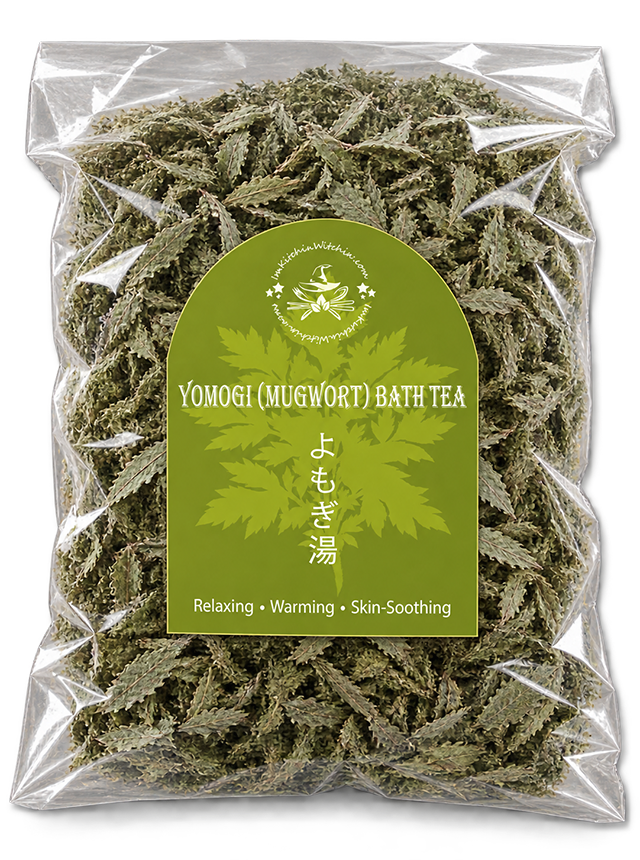
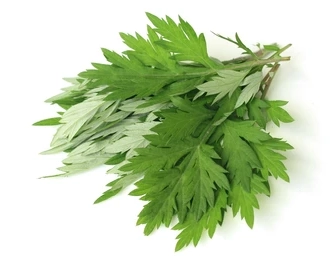 In Japanese cuisine, yomogi is especially popular in traditional sweets called wagashi (和菓子). One of its best-known uses is kusa mochi (草餅), a soft green rice cake made with yomogi leaves. It is also used in yomogi dango, teas, soups, tempura, and other seasonal dishes. The leaves give foods a natural green color and a pleasantly earthy, herbal flavor.
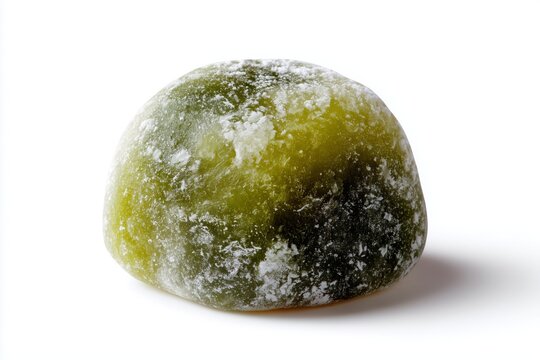 Precautions: People with allergies to mugwort, ragweed, or related plants may experience allergic reactions. Pregnant women should avoid medicinal use of yomogi, including concentrated preparations and herbal baths, unless approved by a healthcare professional, because its safety during pregnancy has not been established.